
A perfectly plated dish is a triumph, but it’s only the final note of a much longer story—one that few ever see. In kitchens, studios, and editorial rooms around the world, chefs, stylists, photographers, and editors orchestrate layers of decisions that determine how taste, craft, and narrative will be perceived. Each ingredient, angle, and word is deliberate, measured, and meaningful.
Behind every recipe or image that reaches a publication lies a discipline most outsiders overlook: the labor, the iteration, the negotiation between culinary excellence and storytelling precision. This is where cultural influence is built, authority is established, and taste is translated into communication. For anyone who only sees the polished surface, the craft may appear effortless. For those who understand the process, every dish is also a lesson in editorial strategy, audience psychology, and media orchestration.
The Invisible Labor of Taste
Culinary media operates at the intersection of craft and communication. Recipes are never simply instructions; images are never mere decoration. Ingredient choice, plating, lighting, and language are all deliberate tools. A chef may perfect flavor, but it is the editorial team, stylists, and photographers who translate that mastery into perception.
Consider the work that goes into a high-profile recipe shoot. A dish can be technically flawless yet fail to convey the intended message. In one anonymized shoot for a leading magazine, a dessert designed to showcase layered textures appeared flat under initial lighting. Stylists reworked the presentation, photographers adjusted framing and focus, and editors rewrote descriptions to highlight technique and intention. The final piece read as effortless artistry—but the invisible labor behind it was both extensive and precise.
Every stage of production shapes perception. Minor changes—a tweak in plating, a slight adjustment in color contrast, a subtle word swap—can determine whether the dish communicates sophistication or simply looks “pretty.” For professionals in culinary media, these details are the difference between authority and superficiality.

Media as a Lens on Craft
Taste cannot be separated from narrative. The platforms through which food is communicated—magazine, television, social media, or online publications—each impose unique constraints and expectations. What works visually in a glossy print magazine may fail on Instagram, and a recipe optimized for broadcast pacing may not translate to a blog post.
This multi-platform reality demands a deep understanding of audience psychology. Photographs, videos, and descriptions must work together to communicate technical skill, creativity, and story while respecting the platform’s norms. Culinary content is not just about what is cooked; it is about how audiences experience it. In this sense, media is both a magnifier and a translator of taste.
Economics, Logistics, and Choice
The economics of culinary production are inseparable from storytelling. Ingredient sourcing, production budgets, and operational constraints all shape decisions. Choosing a rare or artisanal ingredient signals prestige but can complicate shoots and alienate audiences. Opting for more accessible components increases reach but may compromise perceived sophistication.
These decisions are never trivial. They influence the credibility of the chef, the publication, and the media house. Each choice carries weight: it affects audience perception, brand alignment, and the authority of the final product. Culinary media professionals must constantly balance creativity, feasibility, and communication impact.
Collaboration and Hierarchy
Behind every published recipe or image lies a network of expertise. Head editors establish vision; chefs, stylists, photographers, and writers execute under scrutiny. Line cooks ensure technical precision; stylists translate texture and color into visual storytelling; photographers encode narrative and hierarchy; writers craft language that conveys technique, tone, and context.
The interplay of these roles defines outcomes. Misalignment at any stage—a poorly plated garnish, a misinterpreted lighting choice, or a weak description—can undermine perception of skill, regardless of the dish’s intrinsic quality. Mastery in culinary media is not only about flavor; it is about orchestrating perception across disciplines, platforms, and audiences.
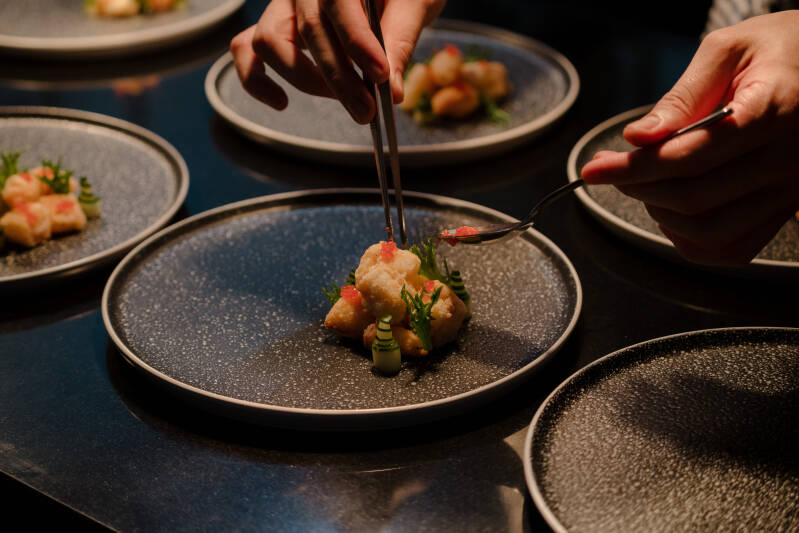
Examples of Orchestration
One high-end campaign illustrates the stakes. A brand wanted to showcase a seasonal ingredient through a recipe. The chef perfected technique in the test kitchen, but the initial shoot failed to visually emphasize the ingredient’s uniqueness. Stylist adjustments, camera angle refinements, and editorial rewriting transformed the piece. The final result communicated both technical mastery and brand intent, without ever appearing staged.
In another example, a magazine feature required translating a multi-step dessert into a clear visual and textual narrative for readers. Multiple rounds of iteration—testing plating angles, adjusting lighting, refining descriptive language—ensured the final article communicated skill, story, and audience accessibility simultaneously. These cases demonstrate that what is visible on the plate is only part of the story; the real work happens behind the scenes.
Cultural Impact and Influence
The influence of culinary media extends beyond flavor. Every visual and narrative decision shapes cultural perception: what is considered desirable, trendy, or sophisticated. Audiences subconsciously read cues from ingredient choice, plating, and language. A subtle narrative shift can elevate perception of technique, heritage, or innovation.
For professionals in the field, understanding these dynamics is essential. Culinary media is not just about taste—it is about shaping how people understand taste, craft, and culture. Authority comes not only from technical skill but from the ability to orchestrate perception across visual, textual, and sensory dimensions.
Images sourced from Unsplash and Adobe Stock.