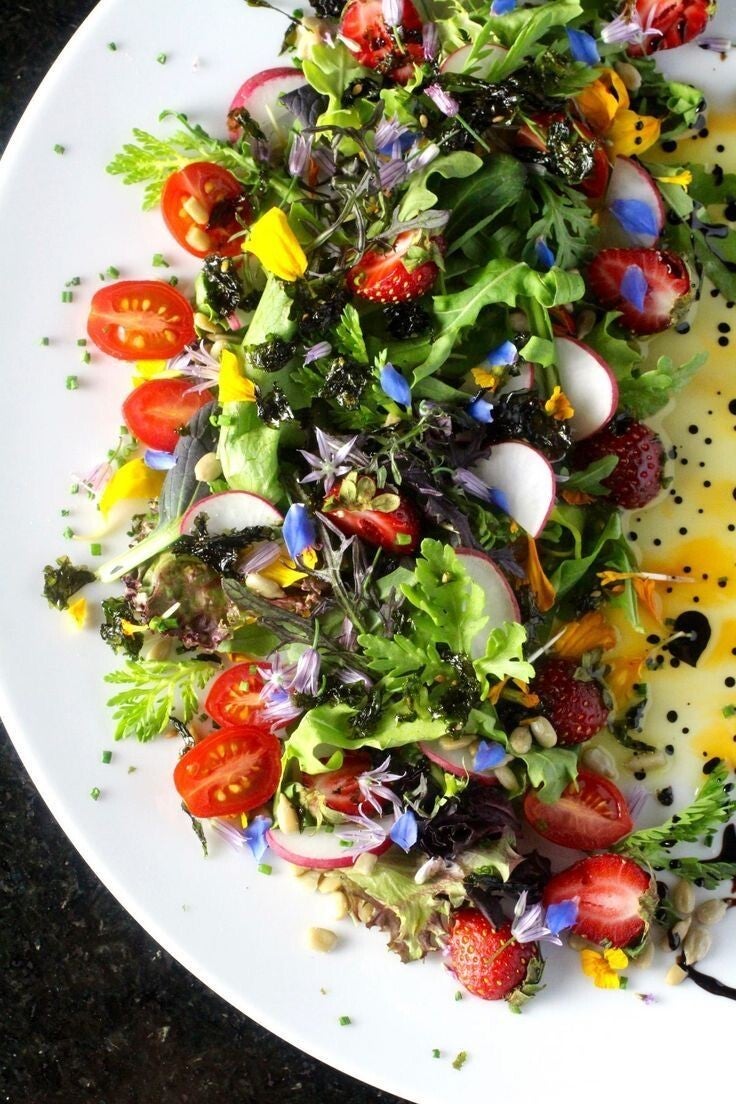
Before we dive into recipes, menus, and the mechanics of structuring them as assets, let’s pause and look at the bigger picture. What do we mean when we say Culinary IP? Most people think in terms of recipes, menus, or food articles—and they aren’t wrong—but what they see is the surface. What I focus on is the hidden layer underneath every dish, every menu, every piece of content: the network of choices, decisions, and intent that determines how the work performs, how it travels, and how it holds value. That layer is what we call Culinary IP.
Culinary IP has always existed. Since the earliest kitchens, the knowledge behind food has been passed down through observation, repetition, and memory. Recipes were not just instructions—they were memories, stories, intuition. Menus weren’t just lists—they were expressions of taste, identity, and positioning. Content in magazines or cookbooks wasn’t just words—it carried judgment, experience, and style. For centuries, this knowledge lived entirely in people. If a chef left, the knowledge left with them. If a writer moved on, their style and insight disappeared. The consequence? Most value was tied to the individual and vanished the moment they weren’t present.
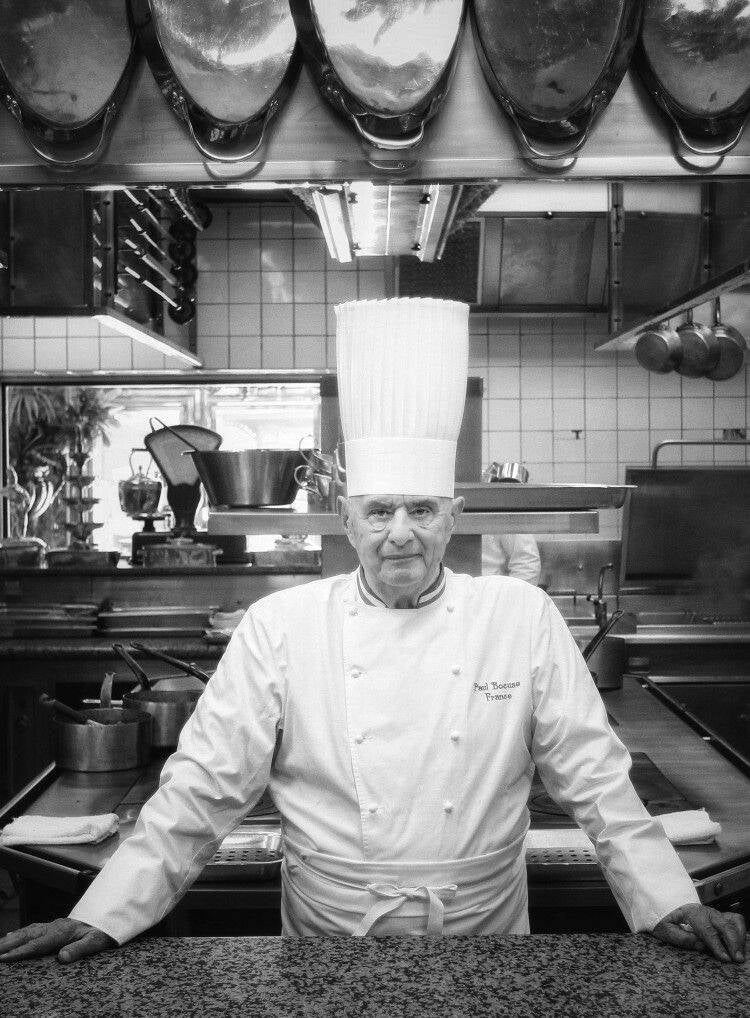
Legal intellectual property protections existed but addressed only parts of the problem. Trademark law could protect a restaurant name, logos, or some branding elements. Copyright could protect images or written content in articles. Patents could protect rare processes. But none of this solved the real challenge: how do you make food, recipes, menus, and content travel, survive repetition, and remain valuable when the creator isn’t there? That question was unanswered for centuries. And even today, most kitchens, brands, and publications operate as if instinct alone can carry value forward.
This is where my approach transforms everything. I didn’t invent food. I didn’t invent creativity. But I reinvented the way Culinary IP can be structured and applied, taking what once lived in intuition, memory, and skill, and turning it into something readable, transferable, repeatable, and profitable. This is not branding, not inspiration, not legal ownership—it is a system, a deliberate methodology that ensures decisions survive repetition, distance, and different hands while keeping intent intact.
This is where my approach transforms everything. I didn’t invent food. I didn’t invent creativity. But I reinvented the way Culinary IP can be structured and applied, taking what once lived in intuition, memory, and skill, and turning it into something readable, transferable, repeatable, and profitable. This is not branding, not inspiration, not legal ownership—it is a system, a deliberate methodology that ensures decisions survive repetition, distance, and different hands while keeping intent intact.


Imagine this scenario: a restaurant menu. Every dish communicates something to the guest—taste, experience, brand positioning—but how much of that communication is accidental? How much relies on someone remembering why the sauce is finished a certain way or why the plating looks a certain way? Imagine the same menu traveling to a new location, being adapted for a seasonal campaign, or being published in a magazine. Without structure, much of that value disappears. Mistakes creep in. Effort is wasted. Culinary IP applied deliberately prevents that. It captures the invisible decisions, documents them, and makes them perform independently of the creator.
Most people think a recipe is a set of instructions. They think a menu is a list. They think content is output. That’s the surface layer—the beginning of the work, not the heart of it. My approach is deeper. I analyze recipes, menus, and articles like a system. I identify the invisible decisions, the logic, the points where value is lost or ignored, and then I make it explicit. I make it transferable. I make it repeatable. I make it profitable.

Here’s what that means practically:
-
A recipe is not just steps on a page—it is a decision map. Every ingredient, timing, technique, and flavor is intentional. When structured properly, that map allows anyone to execute the recipe while preserving the essence of the dish, the intended experience, and even margin control.
-
A menu is not just a list of dishes—it is a strategic tool. Every choice, every description, every combination of dishes communicates, influences behavior, guides pricing, and reinforces positioning. Properly structured, it guides the guest’s experience and protects the business’s value.
-
Content and articles are not just words—they are assets. Structured correctly, they maintain authority, credibility, and engagement repeatedly, across publications, platforms, or campaigns, without losing impact.

What makes this work electrifying is that it requires seeing things most people do not. Most creators see only the visible layer—the ingredients, the service, the text. I see everything underneath. I see which decisions matter, which can move, and which must remain. I see gaps, inefficiencies, and opportunities that others ignore. That’s why this work feels different when people step into it. It’s not about making things louder or more decorated. It’s about making them perform better, smarter, and longer.
Over the course of this series, you’ll see exactly how to:
-
Analyze existing recipes, menus, and articles to uncover hidden value.
-
Identify where decisions are invisible or leaking, and where value is stuck in memory instead of in a system.
-
Structure your work so it can travel across kitchens, brands, and media without losing essence.
-
Implement your own framework, turning what you already do into repeatable, profitable systems.
Let me give you an example. Consider a simple dessert, like a chocolate tart. Most people would write a recipe with steps: bake the shell, prepare the filling, chill, serve. That’s a memory—a guide that may or may not reproduce the experience intended by the creator. My method takes the same tart and exposes all the underlying decisions: exact fat ratios for texture, temperature thresholds for flavor, timing for plating, garnish placement for impact, margin per portion, guest perception, and even how this dessert complements other items on the menu. Once structured, the tart can now travel—across chefs, kitchens, menus, or publications—while preserving intention, profit, and experience.
This is modern Culinary IP. It is deliberate. It is precise. And yes—it can feel shocking at first, because once you start seeing food this way, you notice gaps, inefficiencies, and missed opportunities everywhere. You start reading your own work differently, and suddenly everything changes. You can’t unsee it, and that’s exactly the point.

By the end of this series, you won’t just understand Culinary IP—you’ll know how to design it, structure it, and implement it in your own business. You’ll see recipes, menus, and content not as isolated tasks, but as living, repeatable systems that carry value, reinforce positioning, and earn—long after you’ve stepped away.
This first lesson is not theory. It’s the mindset, the lens, and the context you need before you start mapping, structuring, and leveraging your work. Culinary IP is about making invisible decisions visible, turning memory into systems, and making your food, menus, and content perform repeatedly without losing the soul of the original creation.