
Now that you understand what Culinary IP is and why it matters, it’s time to step into the kitchen—or the content—and see it in action. Most people look at a recipe or a menu and see instructions, ingredients, or a list. That’s surface thinking. If you want to treat your work as an asset, you need to see the invisible decisions behind every choice. That’s where value lives, and that’s where most people lose it.
Let’s start with a recipe. Take a classic dish—like a risotto. On paper, the steps are simple: toast the rice, add broth gradually, stir, finish with butter and cheese. Anyone can follow those steps. But behind each step, there are dozens of subtle decisions that determine the outcome, the experience, and even the commercial success. What variety of rice is best for creaminess and texture? How much fat and aromatics do you need at the start to build depth without overpowering the finish? At what moment do you finish the dish so it reaches the table at perfect consistency? How do small adjustments in temperature or timing affect the final experience? These are decisions most chefs carry in memory, but when you document them systematically, the risotto becomes a repeatable system that can travel across kitchens and chefs while preserving taste, texture, and presentation.


Next, look at a menu. A menu isn’t just a list of dishes—it’s a communication tool. It signals positioning, controls perception, and even guides profitability. Every dish placement, every description, every price point is a decision that impacts guest behavior and business performance. Most menus are written reactively or instinctively. A menu structured as Culinary IP considers: which dishes reinforce your identity? Which pair to increase margins? Which create flow for the guest experience? By making these choices explicit, a menu becomes a strategic asset rather than a static list.
Articles, too, hold hidden IP. A recipe article or a food story isn’t just words—it contains decisions about tone, structure, audience engagement, and brand positioning. Is the language approachable or authoritative? Are steps simplified for reproducibility, or are they aspirational? Are cross-references used to reinforce other dishes, products, or services? Most writers don’t think like this—they write to be consumed. By exposing these choices, you turn content into reusable IP that performs long-term, repeatedly, and consistently.

So, how do we start seeing the invisible? Start with three questions for every piece of work:
-
Decisions – Which choices are intentional, and which are left to chance or memory?
-
Value – Where does the work create impact, and where is value lost?
-
Transferability – Can someone else execute this exactly as intended? If not, why?
When you answer these questions, you start mapping your recipes, menus, and content as a system. You see the gaps, the hidden opportunities, and the potential for repeatable value. And that’s the magic of Culinary IP: it turns intuition and memory into deliberate systems that perform, travel, and earn.
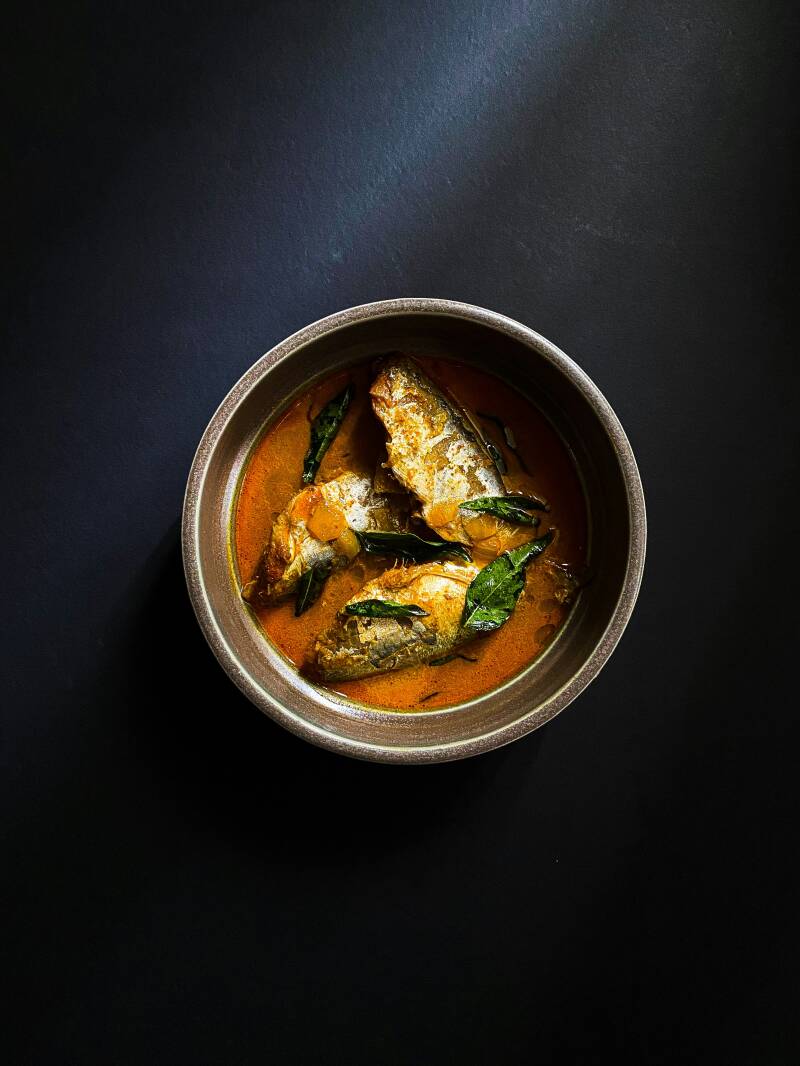
Let’s return to the risotto. On the surface, it seems simple. But when we analyze it through Culinary IP:
-
Rice variety impacts texture and mouthfeel.
-
Timing and temperature affect creaminess and consistency.
-
Layering flavors—aromatics, wine, broth—affects depth and perception.
-
Finishing touches—cheese, butter, seasoning, plating—control guest satisfaction and perceived value.
-
Menu placement and description influence profitability and flow of the dining experience.
Documenting and mapping these decisions transforms the dish from a memory into a system. Now, any trained chef or even a new team member can execute it while preserving the intention, quality, and positioning of the dish.

By now, you should start seeing your own work differently. Nothing will look the same again. Every recipe, menu, or article contains potential that is invisible until structured. That’s why most kitchens, brands, and publications leave money on the table—they rely on memory, intuition, or chance, not systems.
This lesson is about perspective. It’s about training your eye to read what’s hidden, to expose the decisions, and to start structuring your work for longevity, consistency, and value. In the next lesson, we’ll take this further: I’ll show you how to document and structure these decisions, turning your existing work into a system that is not just repeatable, but profitable.
And remember, if you want a head start on the basics of Culinary IP, my ebook is available on my website—a small investment that will show you exactly how to start structuring recipes, menus, and content in your own business for measurable results.